

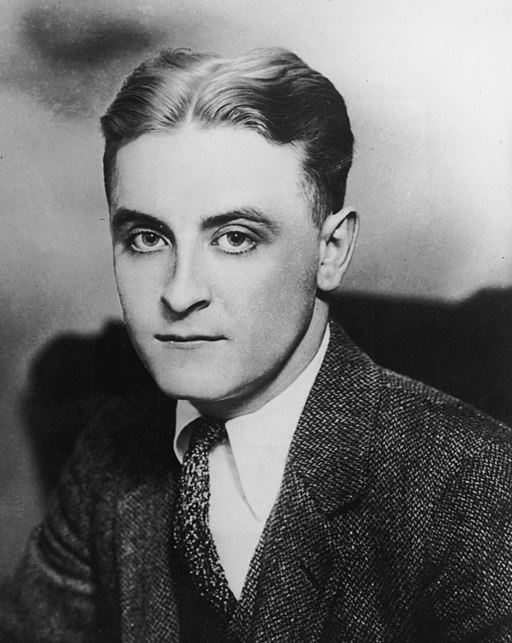
F. Scott Fitzgerald was born today in writing history, September 24. Celebrate the occasion by learning more about the writer’s life and contributions to the literary world. Aspiring writers should also use this opportunity as a writing exercise. Look for inspiration today in writing history.
Today in Writing: September 24: F. Scott Fitzgerald’s Birthday
F. Scott Fitzgerald was born on September 24, 1896. Fitzgerald is best known for The Great Gatsby, often referred to as the Great American Novel. It is considered a frontrunner for the greatest novel ever written. As successful as his book has become, that was not the case when it was published. Learn more about the author’s life and find something to write about in this edition of Today in Writing.
Additional Facts About F. Scott Fitzgerald
Take this opportunity to learn more about F. Scott Fitzgerald’s life and contributions to literature. While Fitzgerald only authored four novels during his short life, he drew heavily from his own experiences. Find inspiration and learn more details about the author below.

F. Scott Fitzgerald Biography
Francis Scott Key Fitzgerald was born in Saint Paul, Minnesota, on September 24, 1896. His father, Edward, was an unsuccessful businessman who moved the family to upstate New York the following year. However, his father would be fired from his job in 1908, prompting the family to return to Saint Paul. F. Scott’s mother, Mary, helped support the family through her inheritance.
From a young age, F. Scott Fitzgerald showed a love of reading and enthusiasm for writing. As a boy, he was described as intelligent and interested in literature. F. Scott would publish his first piece of writing for his school’s paper at 13 years old. In 1911, he was sent to the Newman School, a Catholic prep school in New Jersey. His potential as a writer was encouraged and flourished in the east.
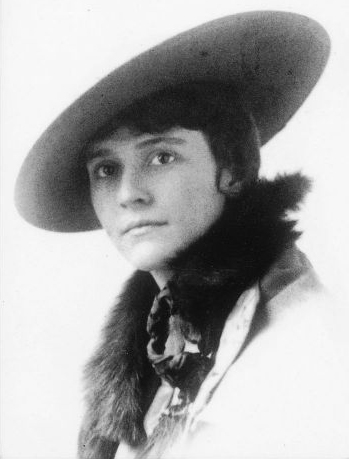
Fitzgerald Meets Ginevra King
Fitzgerald would attend Princeton University in 1913 to pursue his aspiring writer dreams. He would write for various campus publications and make good friends with classmates Edmund Wilson and John Peale Bishop. These two future writers would be lifelong friends of F. Scott, and Wilson would help publish his final novel.
During Christmas break of his sophomore year, Fitzgerald met Ginevra King while at home in Saint Paul. F. Scott and Ginevra would pursue a relationship over the next few years. However, King’s parents disapproved of F. Scott Fitzgerald and his low status. Ginevra’s father supposedly told him: “poor boys shouldn’t think of marrying rich girls.”
The courtship ended, and Fitzgerald became suicidal. He enlisted in the United States Army shortly after America had joined World War I. F. Scott had intended to fight and die in Europe, so he wrote a 120,000-page manuscript, The Romantic Egotist. The novel was rejected, but it was praised and suggested for revisions. World War I would end before F. Scott Fitzgerald deployed to Europe.
Ginevra King’s Influence
Ginevra King would serve F. Scott Fitzgerald as a model for many of the main female characters in his novels. Daisy Buchanan, from The Great Gatsby, is a notable example. There are also similar elements of Jay Gatsby’s young relationship with Daisy and Fitzgerald’s courtship of Ginevra.
Scott Fitzgerald, Zelda Sayre Engaged
While stationed in Camp Sheridan near Montgomery, Alabama, Fitzgerald met Zelda Sayre, a Southern belle. While he still pursued King, she would marry in 1918. Shortly after that, F. Scott turned his full attention to Zelda.
The two would fall in love and consider themselves unofficially engaged. However, she would not marry Fitzgerald until he was financially successful. After being discharged from the Army, he would move to New York City to pursue his literary career.

Life as a Struggling Writer
Fitzgerald would work a string of writing jobs in New York City, attempting to make it as an author. Unable to find work with a newspaper, F. Scott wrote advertising copy. He wrote short stories and submitted them for publication in his spare time. These stories were rejected over 120 times. He did manage to sell one story, Babes in the Woods, for $30.
The string of rejections left a mark on F. Scott Fitzgerald and continued when Zelda broke off their engagement in June 1919. He began contemplating suicide, carrying a gun with him. Fitzgerald moved back to Saint Paul in July to live with his parents.
Fitzgerald committed to revising his earlier manuscript, The Romantic Egotist, at his parents’ home. The new version would be retitled This Side of Paradise. Submitted in late summer, he received word that his novel was accepted for publication in the fall. F. Scott Fitzgerald’s first novel, This Side of Paradise, was published in March 1920.
Life as a Successful Writer
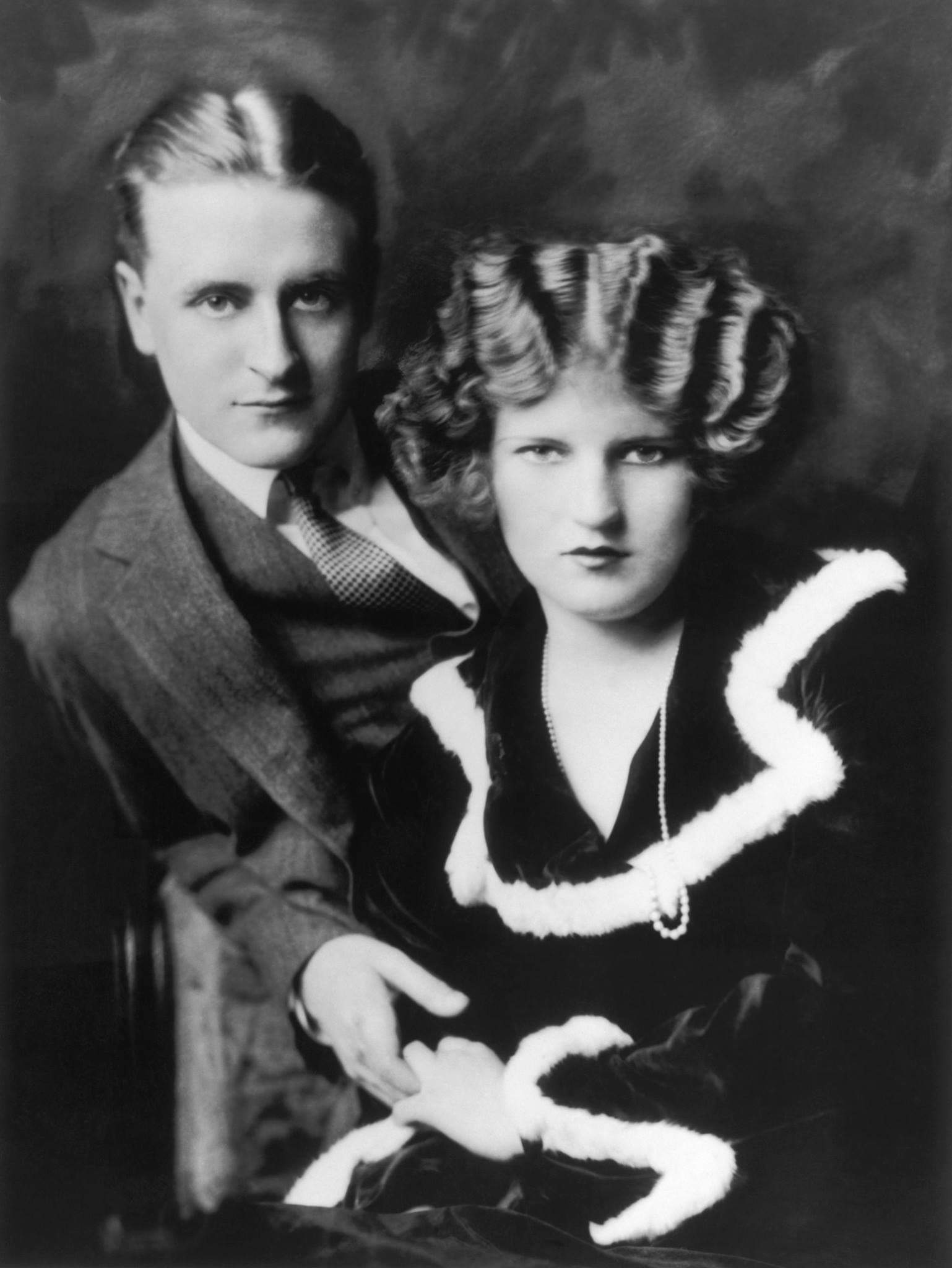
This Side of Paradise was a commercial success, selling 40,000 copies in its first year of publication. This made F. Scott Fitzgerald a household name. With his future as a writer much more promising, Zelda Sayre resumed their engagement, and the two were married in April. However, the couple mutually seemed to love each other no longer. Fitzgerald compared their early marriage to a friendship.
Fitzgerald would continue to write and publish three more novels during his lifetime. However, the onset of the Great Depression in the United States diminished his fame. Many readers saw his work as elitist. Because of the stigma, The Great Gatsby was not a success when it was first published in 1925. F. Scott Fitzgerald’s masterpiece would not achieve the fame of the most remarkable novel ever written during the author’s lifetime.
Later Career and Death
Things began to fall apart for Fitzgerald in the mid-1930s. In addition to his books losing popularity and his career sputtering, Zelda was also diagnosed with schizophrenia. Her increasing medical bills left him financially drained. His alcoholism was also having seriously ill effects on his health.
He would find work in Hollywood as a screenwriter and made a high salary for the time. However, most of his earnings went towards his wife’s medical expenses and schooling for his daughter, Frances. Work on the 1938 movie Three Comrades was his only credit as a screenwriter. In his spare time, he worked on his fifth novel, The Last Tycoon. It would be completed by his longtime friend and Princeton classmate, Edmund Wilson, following his death.
Fitzgerald did take steps to combat his alcoholism. On December 20, 1940, he experienced difficulty walking to his car after the 1940 premiere of This Thing Called Love. F. Scott had not been drinking. The next day, while writing, he suffered a massive heart attack. F. Scott Fitzgerald died on December 21, 1940. He was only 44 years old.
Scott Fitzgerald’s Legacy
At the time of his death, F. Scott Fitzgerald believed his books had been forgotten and that he had failed as a writer. It was not until the 1950s that he became a cultural icon. The new surge in his popularity was fueled by Wilson’s completion of The Last Tycoon. The Great Gatsby would become a widely distributed novel for US Servicemen during World War II. It has since sold millions of copies and is required reading for high schools and colleges.
Notable F. Scott Fitzgerald Books In Order
This Side of Paradise, 1920
The Beautiful and Damned, 1922
The Diamond as Big as the Ritz, 1922 (Novella)
The Great Gatsby, 1925
Tender Is the Night, 1934
The Last Tycoon, 1941 (Unfinished)
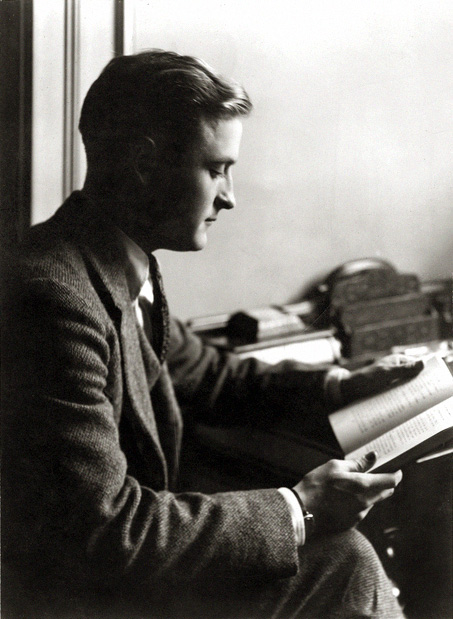
Today in Writing: September 24 – 15 F. Scott Fitzgerald Quotes
Fitzgerald’s impact on the writing world was cataclysmic. Gatsby is often listed as the greatest novel ever written. At the time, author Charles R. Jackson claimed that it was the only flawless novel in the history of American literature. That claim holds almost a century later. F. Scott Fitzgerald’s legacy is The Great Gatsby.
Aspiring writers should take note of the author’s passion for reading and honing his writing abilities. Fitzgerald infused his writing with his own experiences and crafted captivating tales. While The Great Gatsby was not a commercial success, it has had seismic effects in the literary world.
15 Quotes From F. Scott Fitzgerald
1. So we beat on, boats against the current, borne back ceaselessly into the past.
2. Show me a hero and I’ll write you a tragedy.
3. Forgotten is forgiven.
4. For awhile after you quit Keats all other poetry seems to be only whistling or humming.
5. His was a great sin who first invented consciousness. Let us lose it for a few hours.
6. Speech is an arrangement of notes that will never be played again.
7. Nothing is as obnoxious as other people’s luck.
8. To write it, it took three months; to conceive it three minutes; to collect the data in it all my life.
9. It is in the thirties that we want friends. In the forties we know they won’t save us any more than love did.
10. All good writing is swimming under water and holding your breath.
11. There are no second acts in American lives.
12. Never confuse a single defeat with a final defeat.
13. I’m a romantic; a sentimental person thinks things will last, a romantic person hopes against hope that they won’t.
14. An author ought to write for the youth of his own generation, the critics of the next, and the schoolmaster of ever afterwards.
15. It’s not a slam at you when people are rude, it’s a slam at the people they’ve met before.
Today in Writing: September 24 – Daily Writing Exercise
Now that you have done some reading, it is time to write. Aspiring writers should look to the stories from F. Scott Fitzgerald’s life for their own inspiration. Check through the quotes to spark an idea or read some of Fitzgerald’s writing to learn from a master.
Find a topic from Today in Writing: September 24 and freewrite for 10 minutes. F. Scott Fitzgerald was a master of the written word. Perhaps it is something in his genes, as his cousin Francis Scott Key also penned an iconic American text.
Don’t let any opportunity to write go to waste. Aspiring writers: Practice your writing today! Celebrate Today in Writing History September 24.


Leave a Reply