

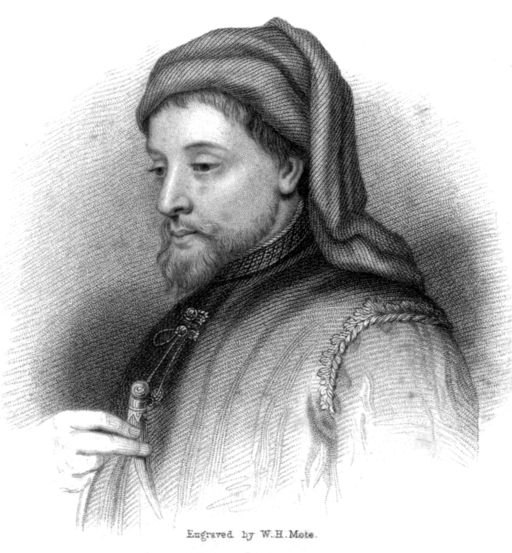
Geoffrey Chaucer died today in writing history, October 25. Celebrate the writer’s life by learning more about his contributions to the literary world. Aspiring writers should also use this opportunity as a writing exercise. Look for inspiration today in writing history.
Today in Writing: October 25 – Geoffrey Chaucer Dies
Geoffrey Chaucer died on October 25, 1400, and is best known for his work, The Canterbury Tales. Chaucer’s contributions to literature are monumental: he is often regarded as the “father of English literature” and the “father of English poetry.” Although his greatest novel was unfinished at the time of his death, The Canterbury Tales is regarded as one of English literature’s most important pieces of writing. Find your inspiration in the stories, works, and words in this installment of Today in Writing: October 25.
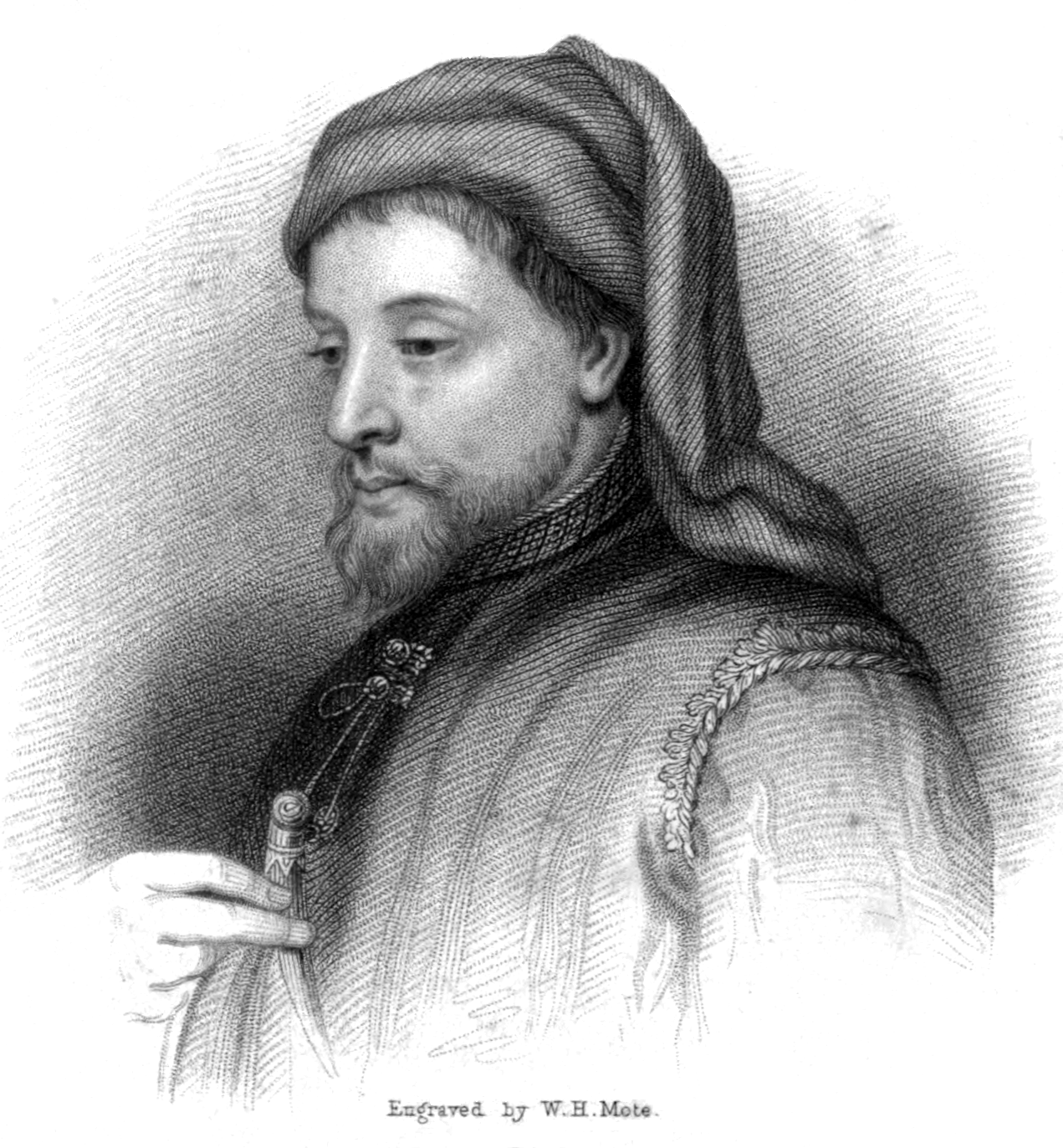
Writing Prompts for Today In Writing: October 25
Please take this opportunity to learn more about Geoffrey Chaucer and his contributions to literature. The author’s magnum opus is still a highly influential text studied in English classes and enjoyed by avid readers over 600 years after publication. In 1400s England, when Old English and Latin were the predominant languages, Chaucer advanced the English language towards what it is in contemporary times. His Middle English text starts to resemble Modern English.
What led Geoffrey Chaucer to write? Where did the inspiration for his ideas come from? And what helped the author create his writing style? Find inspiration about Chaucer, learn more details about his life, and write!
Geoffrey Chaucer Biography
Geoffrey Chaucer was born in London, England, in the 1340s. The exact date and location are unknown, lost to time, although his monument lists 1343. His father, John Chaucer, was a wine merchant with a royal appointment. This suggests the Chaucer family was well off financially. Geoffrey would marry Agnes Copton, who would inherit several properties and shops around London from her uncle.
Chaucer’s Career
Unlike other literary greats, like William Shakespeare, whose life is relatively unknown due to a lack of records, Chaucer is well-recorded. He worked as a public servant and is noted in many official documents. Around 1357, Geoffrey Chaucer became a page for Elizabeth de Burgh, the Countess of Ulster. The Countess was married to Lionel, Duke of Clarence, the second surviving son of King Edward III. The role would insert the author into royal court circles, and he would serve as a courtier, diplomat, and civil servant for most of his life.
During the Hundred Years’ War between England and France, Chaucer traveled to mainland Europe with the English army. In 1360, Geoffrey Chaucer was captured during the siege of Rheims. Edward III paid £16 for his ransom. The author would continue to travel around Europe, presumably on business for his royal retainers.
Geoffrey Chaucer’s Writing
The exact start of Chaucer’s writing career is unknown, however, there are hints scattered throughout historical accounts. King Edward III awarded Chaucer a gallon of wine for the rest of his life for an unspecified reason. Because the reward was granted on St. George’s Day in 1374, a holiday that traditionally celebrates art, it is assumed to be in recognition of an early poem. Chaucer would collect this reward until Richard II ascended to the throne. Chaucer would continue to work a string of public service jobs throughout his life, such as comptroller of customs in London and commissioner of peace in Kent.
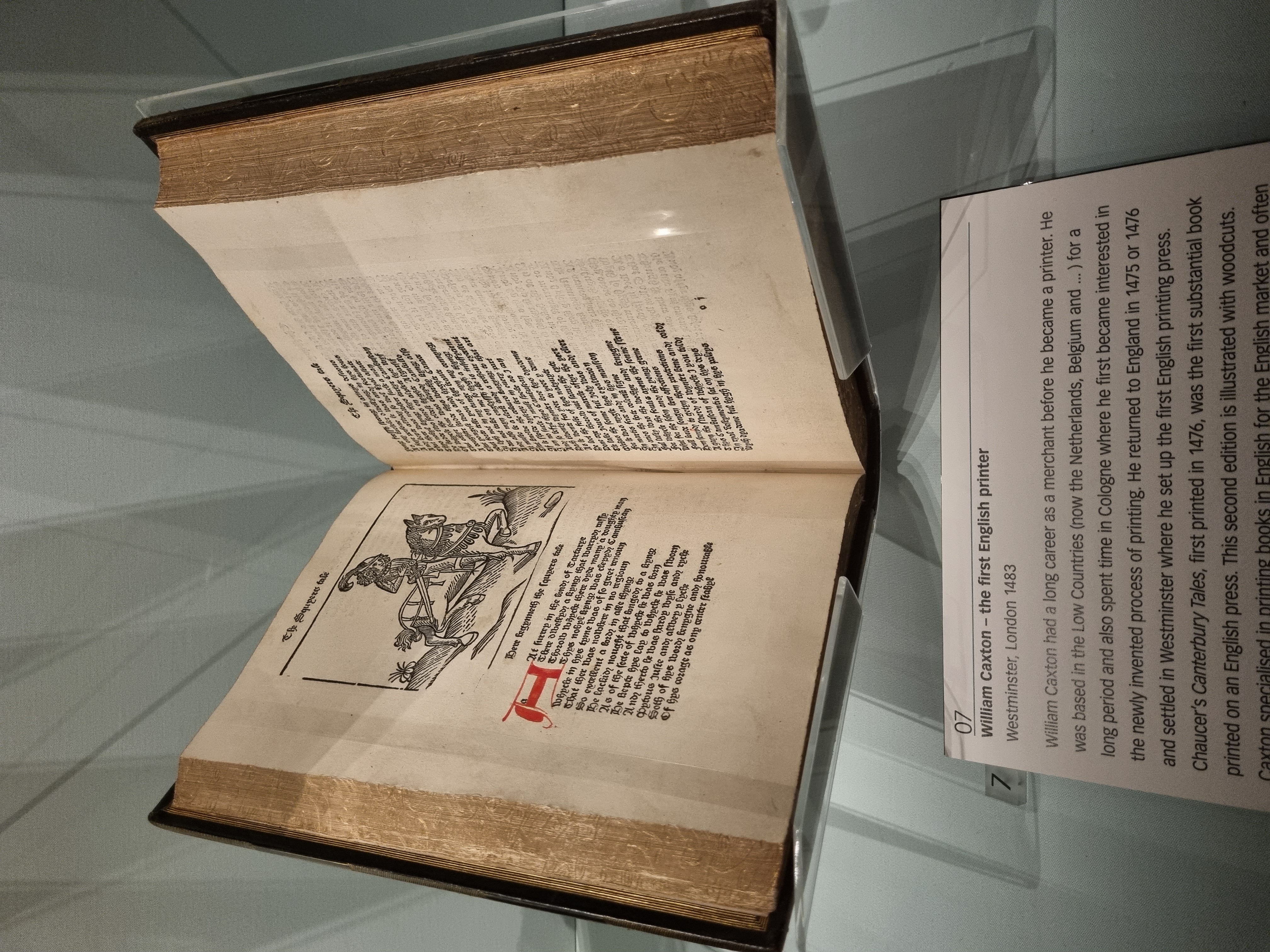
It is believed that Geoffrey Chaucer began writing his magnum opus, The Canterbury Tales, in the early 1380s while living in Kent. The work is the tale of a group of pilgrims heading to Canterbury, attempting to tell the best story on the trek. The text is considered incomplete, as Chaucer introduces 30 pilgrims with plans for each to tell four stories. It does not contain the 120 stories the author seems to have intended.
Later Life and Death
Following Richard II’s ascent to the throne, Chaucer worked as a Deputy Forester and earned a royal salary. However, after Richard II’s overthrow, Geoffrey Chaucer’s name begins to disappear from records. King Henry IV seems to have retained Chaucer, but records also indicate he was not getting paid.
Geoffrey Chaucer died of unknown causes on October 25, 1400. However, the date of his death was engraved on his tomb 100 years after the fact. Spotty evidence could suggest Chaucer was murdered on the orders of either Richard II or Henry IV. Regardless, Geoffrey Chaucer’s remains were interred in what is now known as the Poets’ Corner of Westminster Abbey. He was the first writer to receive this honor.
The Canterbury Tales, Middle vs Modern English
Geoffrey Chaucer wrote in what is known as Middle English. It was an earlier period of the English language that had not yet reached its contemporary version. The following is an excerpt from The Canterbury Tales, with a side-by-side comparison of these forms of English.
The Canterbury Tales, The Physician’s Tale
Middle English
Ther was, as telleth Titus Livius,
A knyght that called was Virginius,
Fulfild of honour and of worthynesse,
And strong of freendes, and of greet richesse.
This knyght a doghter hadde by his wyf,
No children hadde he mo in al his lyf.
Fair was this mayde in excellent beautee
Aboven every wight that man may see.
For Nature hath with sovereyn diligence
Yformed hir in so greet excellence,
As though she wolde seyn, “Lo, I, Nature,
Thus kan I forme and peynte a creature
Whan that me list; who kan me countrefete?
Pigmalion noght, though he ay forge and bete,
Or grave, or peynte, for I dar wel seyn
Apelles, Zanzis sholde werche in veyn
Outher to grave or peynte, or forge, or bete,
If they presumed me to countrefete.
For He that is the former principal
Hath maked me his vicaire general
To forme and peynten erthely creaturis
Right as me list, and ech thyng in my cure is
Under the moone, that may wane and waxe,
And for my werk right nothyng wol I axe.
My lord and I been ful of oon accord;
I made hire to the worship of my lord,
So do I alle myne othere creatures,
What colour that they han, or what figures.”
Thus semeth me that Nature wolde seye.
The Canterbury Tales, The Physician’s Tale
Contemporary English
There was, as tells us Titus Livius,
A knight whose name was called Virginius,
Fulfilled of honour and of worthiness,
Who many friends and much wealth did possess.
This knight had had a daughter by his wife,
Nor children more had he in all his life.
Fair was this virgin, in excellent beauty
Above all others that a man may see;
For Nature had, with sovereign diligence,
Moulded her to so great an excellence
She seemed to say: “Behold now, I, Nature,
Thus can I form and paint a creature pure
When I desire. Who can it counterfeit?
Pygmalion? Nay, not though he forge and beat,
Or curve, or paint; and I dare say again,
Apelles, Zeuxis too, should work in vain,
Either to carve or paint, or forge or beat,
If they presumed my work to counterfeit.
For He who is creator principal
Has made of me His Vicar General
To form and colour earthly creatures all,
Just as I like, for they’re mine, great and small
Under the moon, the which may wax and wane;
And for my work I ask no payment vain;
My lord and I are of one sole accord;
I made her in the worship of my Lord.
So do I other fair or foul creatures,
What colours though they have, or what figures.”
It seems to me that Nature thus would say.
10 Geoffrey Chaucer Quotes
1. Time and tide wait for no man.
2. Nowhere so busy a man as he than he, and yet he seemed busier than he was.
3. The greatest scholars are not usually the wisest people.
4. He was as fresh as is the month of May.
5. The guilty think all talk is of themselves.
6. Forbid us something, and that thing we desire.
7. Love is blind.
8. The life so short, the crafts so long to learn.
9. We know little of the things for which we pray.
10. People can die of mere imagination.
Notable Geoffrey Chaucer Works
The Book of the Duchess
The House of Fame
Anelida and Arcite
Parlement of Foules
Translation of Boethius’ Consolation of Philosophy as Boece
Troilus and Criseyde
The Legend of Good Women
The Canterbury Tales
A Treatise on the Astrolabe
Short poems
Balade to Rosemounde
An ABC
The Complaint unto Pity
The Complaint of Chaucer to his Purse
The Complaint of Mars
The Complaint of Venus
A Complaint to His Lady
The Former Age
Fortune
Gentilesse
Lak of Stedfastnesse
Lenvoy de Chaucer a Scogan
Lenvoy de Chaucer a Bukton
Proverbs
Balade to Rosemounde
Truth
Womanly Noblesse
Today in Writing: October 25 – Daily Writing Exercise
Now that you have done some reading, it is time to write. Aspiring writers should look to the stories from Today in Writing: October 25 and Geoffrey Chaucer’s life. Read his quotes and study his prose to understand the author’s writing style.
Find a topic and freewrite for 10 minutes. Geoffrey Chaucer’s contributions helped give rise to English literature. Chaucer’s work is legendary, and the moniker “father of the English language” is a fitting acknowledgment of his monumental output. Aspiring writers should pay homage to the poet and start writing.
Don’t let any opportunity to write go to waste. Aspiring writers: Practice your writing today. Celebrate Today in Writing History October 25.


Leave a Reply