

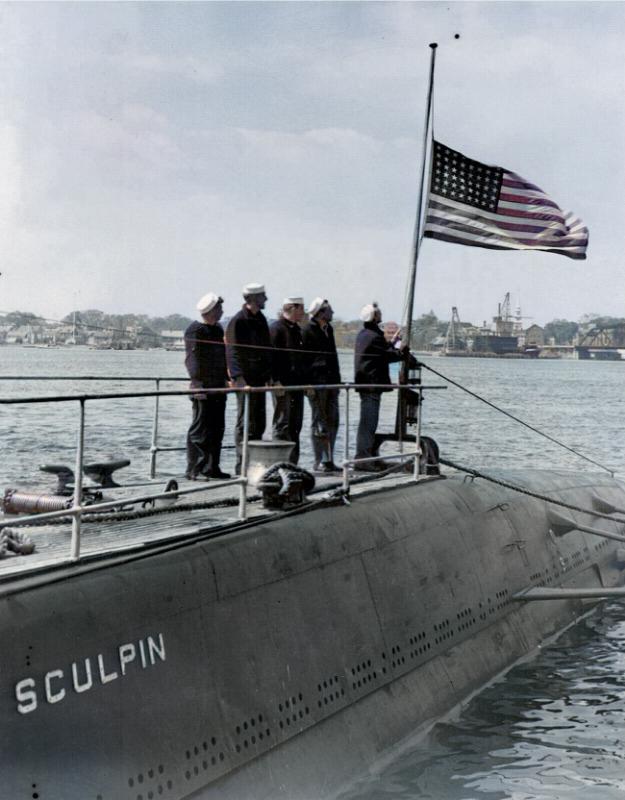
Learn about the Sargo-class submarines and their heroic role in World War II.
Sargo-class submarines played key roles in the US Navy during World War II. They were among the first submarines to go into action after the attack on Pearl Harbor. Their innovative design allowed them to complete crucial missions in the Pacific, providing a much-needed edge in the early days of the war. The excellence of these submarines and the bravery of their crews set a strong foundation for the evolution of undersea warfare.
History of the Sargo-Class Submarines
Sargo-class submarines were developed during a time of rapidly evolving technology and rising global conflict. Built to meet the demands of modern warfare, they were among the first American vessels deployed after the attack on Pearl Harbor.
Plot Points
Early Development and Service
Built between 1937 and 1939, Sargo-class submarines were very similar to the earlier Salmon class. In fact, both classes were sometimes called the “New S Class.” Soon after the Japanese attack on Pearl Harbor, the Sargo boats began war patrols. USS Swordfish (SS-193) was the first American submarine to sink a Japanese ship during the war.
Deployment
Before Pearl Harbor, the first Sargos were based in San Diego. The last few boats were sent to the Philippines soon after they were built. Once the war started, these subs were a major part of the Navy’s fighting force in Southeast Asia.
Design and Technology
Sargo-class submarines weren’t just brave warriors, but also marvels of engineering. Their design featured many new and innovative technologies that helped them excel in the challenging conditions of underwater warfare.


Powerful Engines and Propulsion
The Sargo-class was built to be fast and reliable. They could reach speeds of up to 21 knots and travel long distances, important for patrols in enemy waters. The first six Sargo boats used a mix of direct-drive and diesel-electric systems. Later, the last four boats adopted a full diesel-electric drive, which set the standard for all future US submarines.
Some of the boats were fitted with engines known as HOR (Hooven-Owens-Rentschler) double-acting diesels. These engines were meant to provide extra power but often proved unreliable. During World War II, these troublesome engines were replaced with the more dependable GM Cleveland Diesel.
The Sargo Battery
One of the most innovative features of these submarines was the Sargo battery. Unlike older designs, the Sargo battery had two layers of hard rubber with a soft rubber layer in between. This helped prevent leaks of dangerous sulfuric acid if the battery was hit by depth charges. This invention was important because it not only improved safety, but also set the standard for future battery designs.
Upgraded Armament
Sargo-class boats were initally equipped with a 3-inch deck gun. However, crews found the gun too weak for combat, and by 1943-44, most of these submarines received a stronger 4-inch deck gun, allowing them to better finish off enemies during battles.
Sargo in World War II
During the war, Sargo boats were very active, sinking a total of 73 enemy ships, including one Japanese submarine. Their successful patrols and brave crews made them one of the most effective groups of submarines in the US Navy. One of these submarines, USS Sailfish, even sank a Japanese aircraft carrier that was carrying survivors from another US S-class submarine.
Transition to Training and Final Years
In early 1945, as the war began to wind down, many of the surviving Sargo submarines were reassigned to training duties. After the war ended, these submarines were mostly scrapped by 1947-48. However, the innovations they introduced—like the improved diesel-electric system and the Sargo battery—continued to influence submarine design for many years.
Reliable Thoughts: Legacy of the Sargo-Class Submarines
The story of the Sargo-class submarines is one of innovation and courage. Their advanced design paved the way for modern submarine technology. This innovation put their crews at the forefront of the perils of the Silent Service. The lessons learned from the Sargo boats paved the way for modern submarine technology, making “Sargo” an important name in naval history.


Leave a Reply