

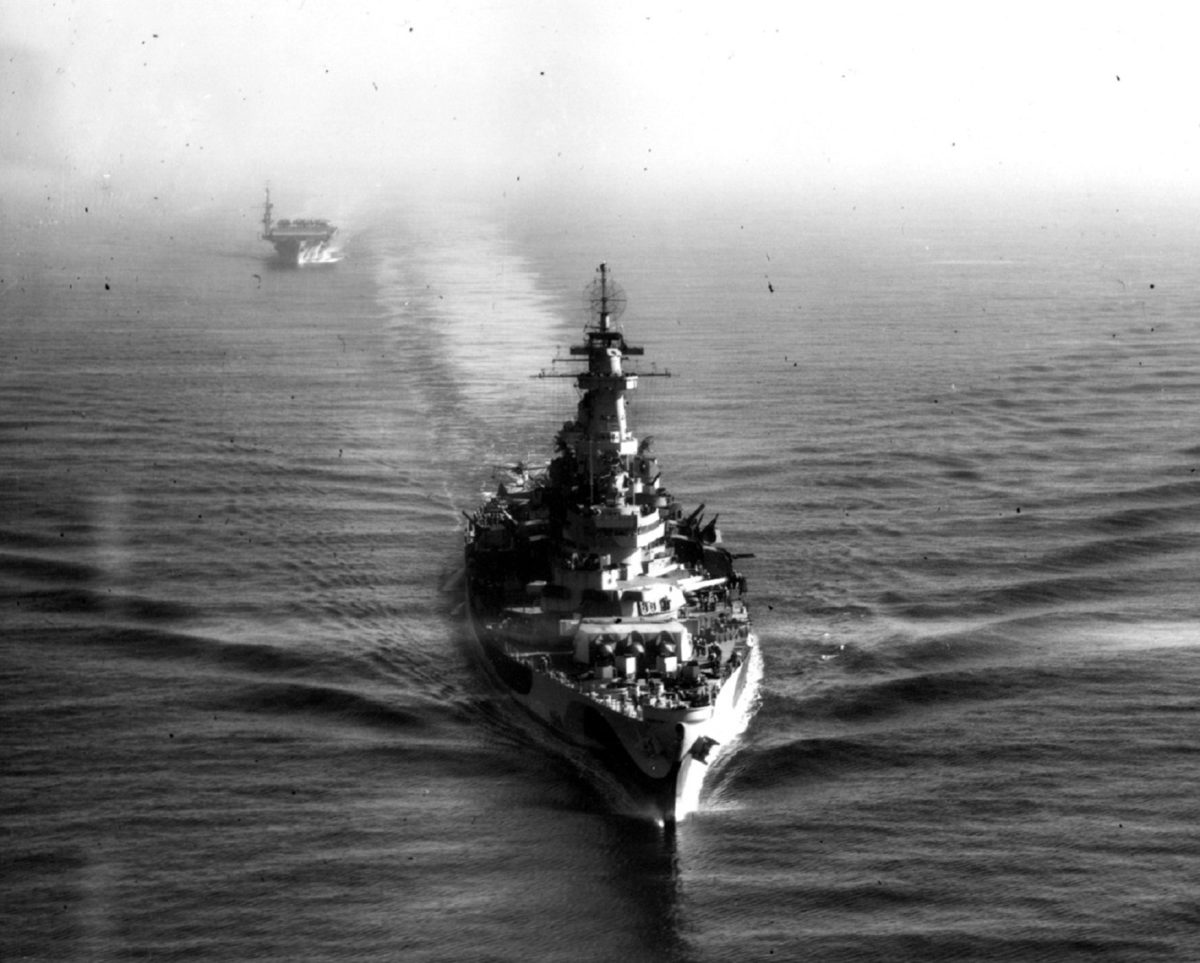
Discover 40 Battleship Terms Behind Naval Power
Battleships have long been symbols of strength and innovation. Understanding these battleship terms will help enhance your appreciation and understanding of naval history. This comprehensive glossary features 40 terms every naval enthusiast should know.
The Reliable Narrator is here to help you dive into these battleship terms and sharpen your maritime knowledge. Whether you’re a history buff or new to the topic, this guide will help you “speak battleship” fluently.
Essential Battleship Terms
These battleship terms provide insight into these maritime giants’ design, operation, and legacy, helping you appreciate their role in history.
Anchor
A heavy device, typically made of metal, used to moor a vessel to the sea bottom, preventing it from drifting.
Example: The battleship USS Missouri dropped its anchor in Tokyo Bay during the Japanese surrender ceremony in 1945.
Armament
The weapons and ammunition equipped on a battleship, including guns, torpedoes, and missiles.
Example: The battleship USS Iowa’s armament included nine 16-inch guns capable of firing shells over 20 miles.
Armor Belt
A horizontal layer of heavy armor plating along the sides of a battleship, designed to protect vital areas such as the engine rooms and ammunition magazines.
Example: The Bismarck’s thick armor belt allowed it to withstand multiple torpedo hits during its final confrontation.
Battleship Terms
Battlecruiser
A type of warship similar to a battleship but designed with lighter armor and higher speed.
Example: The HMS Hood, a famous British battlecruiser, was sunk during the Battle of the Denmark Strait in World War II.
Battleship
A heavily armored warship equipped with large-caliber guns, designed for high seas combat.
Example: The battleship USS Arizona was tragically destroyed during the attack on Pearl Harbor in 1941.
Beam
The width of a ship at its widest point, crucial for determining stability and deck space.
Example: The battleship USS Wisconsin’s beam allowed it to navigate the Panama Canal with precision.
Bilge
The lowest part of a ship’s hull, where water often collects and is later pumped out.
Example: The crew inspected the bilge for leaks before the ship set sail.
Bridge
The command center of a battleship, where officers control navigation and other critical functions.
Example: From the bridge of the USS Texas, the captain directed bombardments during the Normandy invasion.

Broadside
The simultaneous firing of all guns on one side of a battleship.
Example: The HMS Victory unleashed a devastating broadside during the Battle of Trafalgar.
Bulkhead
A vertical partition inside a ship’s hull, designed to divide compartments and enhance structural integrity.
Example: The Titanic’s bulkheads were not watertight to the top, contributing to its sinking.
Casemate
A fortified enclosure on a battleship for housing guns.
Example: The casemates of the USS Monitor protected its guns during the Battle of Hampton Roads.
Citadel
The heavily armored central section of a battleship, designed to protect vital areas such as engines and ammunition stores.
Example: The citadel of the Bismarck allowed it to withstand heavy fire during its final battle.
Convoy
A group of ships traveling together, often for protection during wartime.
Example: Allied convoys protected supply ships from U-boat attacks during World War II.
Cruiser
A fast, maneuverable warship that is smaller than a battleship but larger than a destroyer, designed for a variety of roles.
Example: The USS Indianapolis, a cruiser, delivered components of the atomic bomb in 1945.
Destroyer
A fast and agile warship designed to escort larger vessels and defend against smaller, more maneuverable threats like submarines and aircraft.
Example: The destroyer USS Laffey earned the nickname “The Ship That Would Not Die” during World War II.
Displacement
The weight of water a ship displaces when afloat, used as a measure of the ship’s size.
Example: The USS Missouri had a displacement of over 57,000 tons when fully loaded.
Draft
The vertical distance between the waterline and the bottom of the hull, indicating how deep the ship sits in the water.
Example: The battleship’s shallow draft allowed it to operate near the coast.
Dreadnought
A revolutionary class of battleships introduced in the early 20th century, featuring an “all-big-gun” design.
Example: The HMS Dreadnought rendered previous battleships obsolete.

Fleet
A large group of naval vessels under a single command, often organized for strategic purposes.
Example: The Pacific Fleet played a pivotal role in World War II.
Flotilla
A small fleet or group of ships, typically consisting of smaller vessels.
Example: The flotilla of PT boats engaged enemy forces in the Pacific.
Gun Turret
A rotating armored structure housing a battleship’s guns, allowing for flexible aiming.
Example: The gun turrets on the USS Iowa could rotate 360 degrees for maximum coverage.
Hull
The main body of a ship, including the sides, bottom, and deck, but excluding the masts and superstructure.
Example: The hull was coated with anti-fouling paint to reduce drag.
Keel
The central structural element of a ship’s hull, running along the bottom and providing stability.
Example: The keel of the battleship was laid in 1939.
Magazine
A secure storage area aboard a ship for ammunition and explosives.
Example: The magazine explosion on the USS Arizona was catastrophic.
Main Battery
The largest and most powerful guns on a battleship, typically used for long-range engagements.
Example: The main battery of the USS Yamato could fire shells over 25 miles.
Mast
A vertical structure on a battleship, used to support radar, communication equipment, and sometimes sails.
Example: The radar on the mast detected enemy aircraft.
Mine
An explosive device placed in water to damage or sink ships.
Example: The USS Tripoli struck a mine during the Gulf War but survived.
Naval Architecture
The art and science of designing ships, including their structure, stability, and propulsion systems.
Example: Advances in naval architecture revolutionized battleship design.
Prow
The forward-most part of a ship’s bow, designed to cut through the water.
Example: The prow of the ship sliced through the icy waters of the North Atlantic.
Radar
A system used to detect objects, measure their distance, and guide navigation, crucial for battleship operations.
Example: Radar on the USS Enterprise detected incoming Japanese aircraft at Midway.
Rangefinder
An optical or electronic device used to measure the distance to a target, essential for aiming battleship guns.
Example: The rangefinder ensured accurate targeting during the naval engagement.
Salvo
The simultaneous discharge of multiple weapons, such as guns or missiles, often used to overwhelm an enemy or create a powerful initial strike.
Example: The USS Iowa opened the engagement with a devastating salvo from its main battery during a training exercise in the Pacific.
Secondary Battery
Smaller guns on a battleship used for defense against aircraft and smaller vessels.
Example: The secondary battery repelled an aerial attack on the USS Alabama.
Sonar
A system for detecting objects underwater using sound waves, commonly used to locate submarines.
Example: Sonar detected a submarine lurking nearby.
Superstructure
The structures above the main deck of a battleship, including the bridge, masts, and gun turrets.
Example: The superstructure provided a clear view of the surrounding area.
Torpedo
A self-propelled underwater missile designed to detonate on impact or in proximity to a target.
Example: The submarine launched a torpedo at the battleship USS Washington.
Waterline
The line where the hull of a ship meets the surface of the water when the ship is properly loaded.
Example: The battleship’s waterline was just above the waves.
Wardroom
The dining and living quarters for commissioned officers on a battleship.
Example: Officers gathered in the wardroom to discuss strategy.
Watertight Compartment
A section of a ship designed to be sealed off to prevent flooding in case of damage.
Example: The watertight compartment saved the ship from sinking.
Yardarm
A horizontal spar on a ship’s mast, used for supporting sails or signaling equipment.
Example: A flag was hoisted on the yardarm to signal the fleet.
Reliable Thoughts
By mastering these battleship terms, you can gain insight into the evolution of naval warfare and the design of these maritime monsters. Dive deeper into our site for more fascinating naval history and learn how battleships shaped the world.


Leave a Reply